Grades 3–5 · Teacher Resources
Soar Teacher Resources
The Incredible Journey of Hendrix and Ryder
Everything you need to bring Soar into your classroom — from an osprey science unit to SEL morning meetings, a book club, or a full cross-curricular study. Ready-to-print PDFs, all free.

Soar
The Incredible Journey of Hendrix and Ryder
Curriculum Guides
Cross-Curricular Planning Map
How to use Soar across science, literacy, art, and social studies.
Literacy Block Integration Guide
How to fit Soar into your reading block with mini-lessons and paired texts.
Book Club Leader Guide
Session-by-session plan for a 4–6 week Soar book club.
Complete Soar Curriculum Guide
Aligned to ELA, Science, and SEL standards — your all-in-one planning resource.
Chapter-by-Chapter Study Questions
Created by Christine Roberts, Lower School Librarian at the Bryn Mawr School, this is a full set of study questions organized by chapter, including comprehension, inference & analysis, science connections, personal response / SEL reflection, and vocabulary in context questions.
Download Study QuestionsSEL Lesson Tie-Ins
Self-Awareness — Everyone Has a Gift
- Lesson: "What is YOUR gift?" — Students identify their unique strengths using a structured reflection activity inspired by Hendrix and Ryder's parallel journeys
- Discussion: What does it mean to discover a gift? Can your gift be something you do, something you feel, or something you notice in the world?
- Writing prompt: "The moment I felt most like myself was..."
Growth Mindset & Resilience
- Discussion: How does Hendrix model resilience when he fails to fly the first time? How does Ryder show resilience?
- Lesson: Failure as data — What scientists AND Hendrix have in common
Relationship Skills
- Lesson: How do Hendrix and Ryder's communication styles differ? What makes their bond work despite the differences?
- Discussion: Think of a relationship in your own life. What does each person bring to it?
Social Awareness
- Discussion: What influences people's relationship with the natural world? What shapes whether someone wants to protect it or doesn't think about it?
Art Integration
- Scene illustration activity: Students choose a favorite scene from Soar and draw or paint it — connecting visual art to reading comprehension and personal response
- Discussion: What scene did you choose and why? What does your illustration show about how that moment made you feel?
- Gallery walk: Display student illustrations and let classmates guess which scene each depicts
Writing Prompts
Ospreys once came close to extinction — but they came back. Research how legislation helped osprey populations recover. Write about what happened, what changed, and what this teaches us about the power of humans to help or harm the natural world.
Write the next chapter — what happens to Hendrix and Ryder two years later?
Research and write a fact sheet on osprey migration.
Describe a challenge you faced that felt impossible. What helped you keep going?
Write from Hendrix's point of view during his first successful flight.
Explain in your own words how climate change is affecting birds like Hendrix.
Science Connections
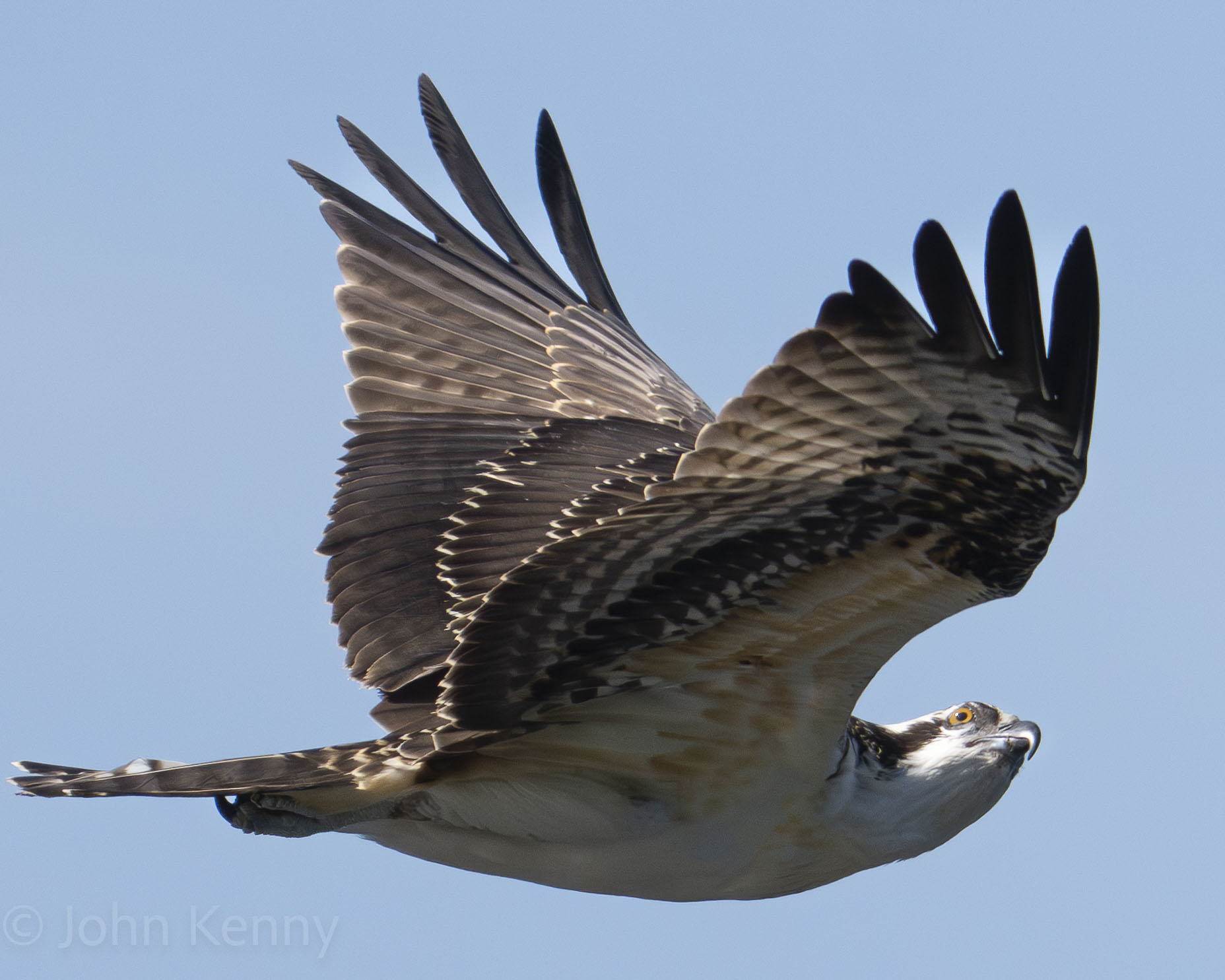
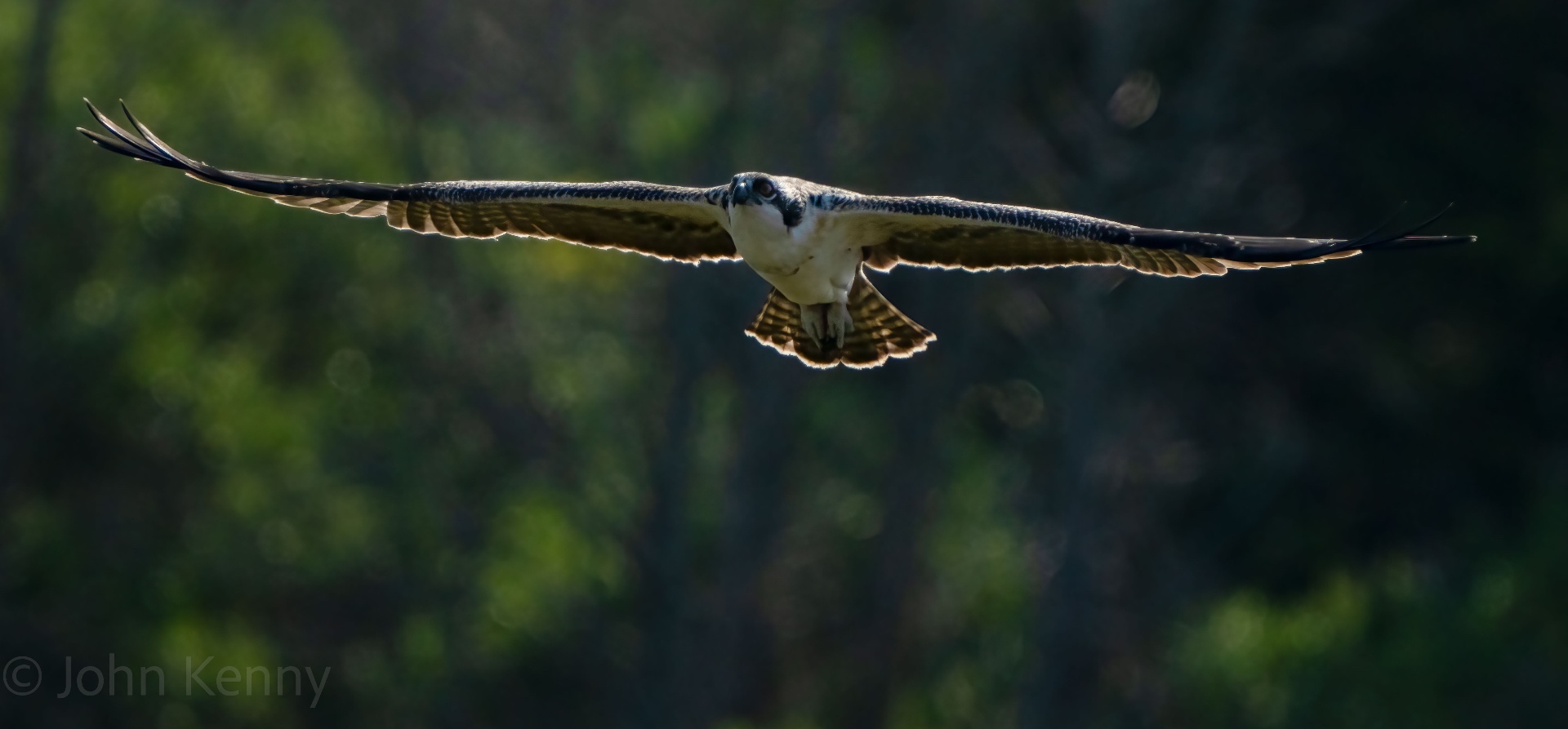
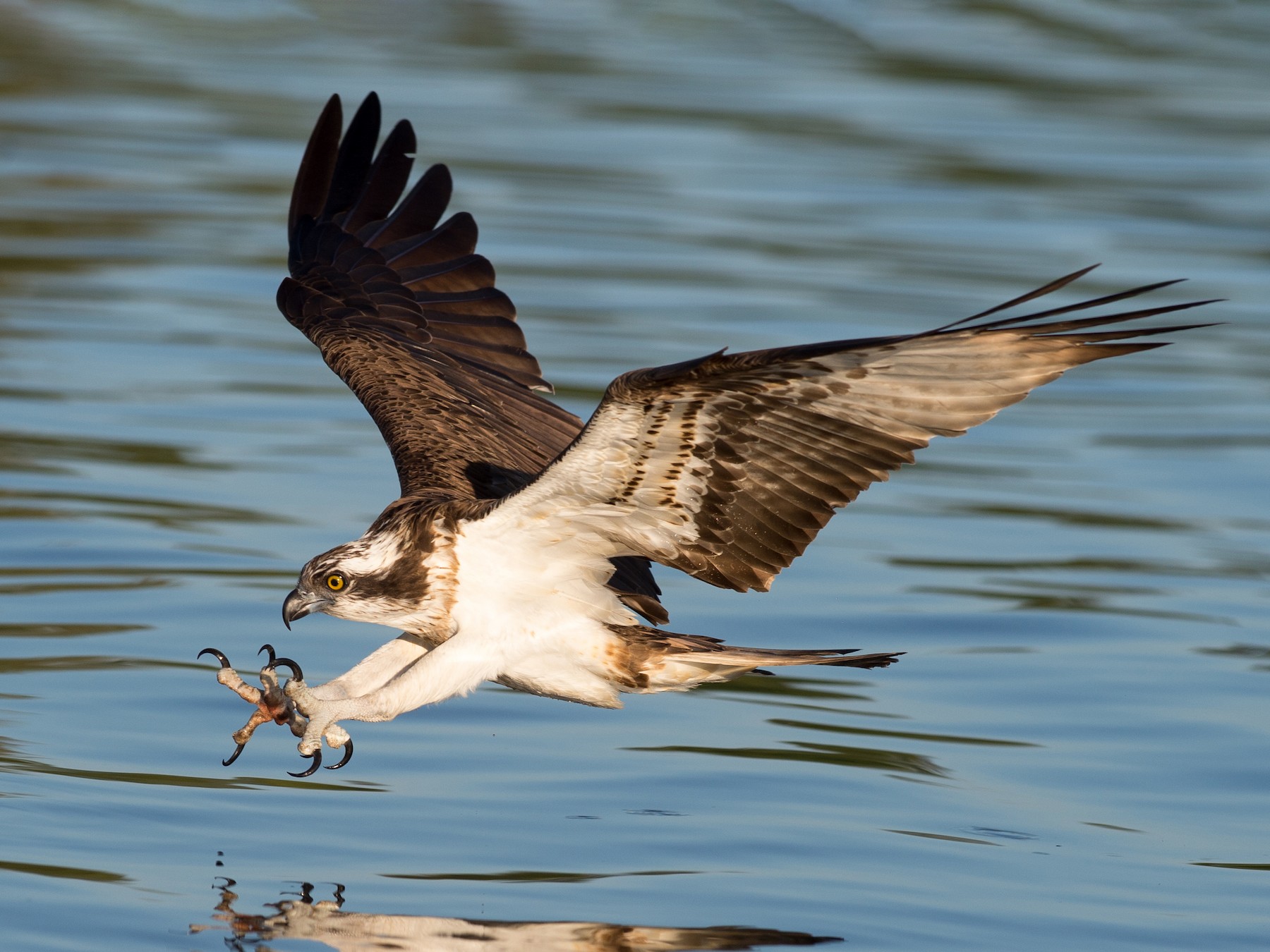
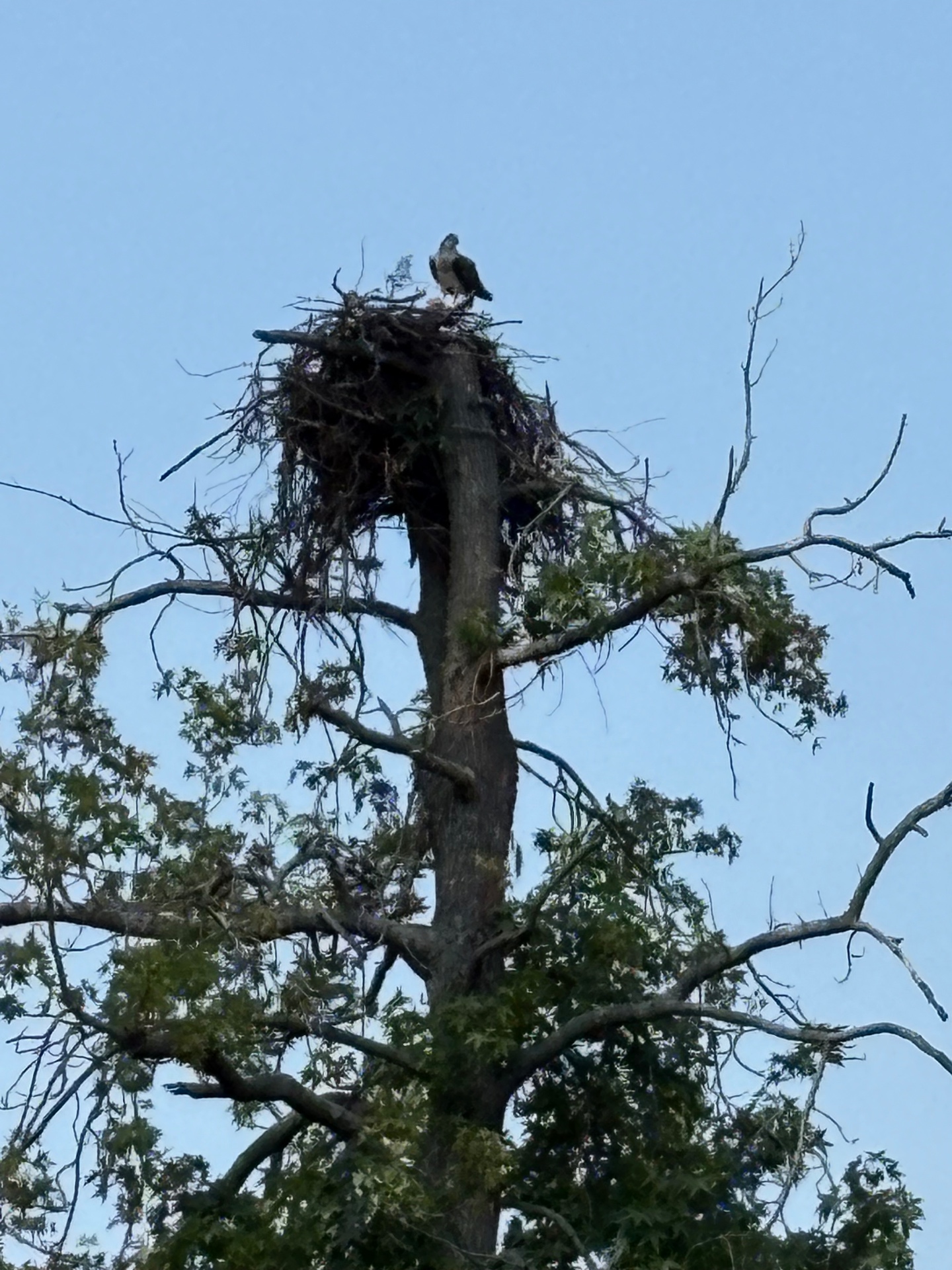
Osprey Photos for Classroom Discussions
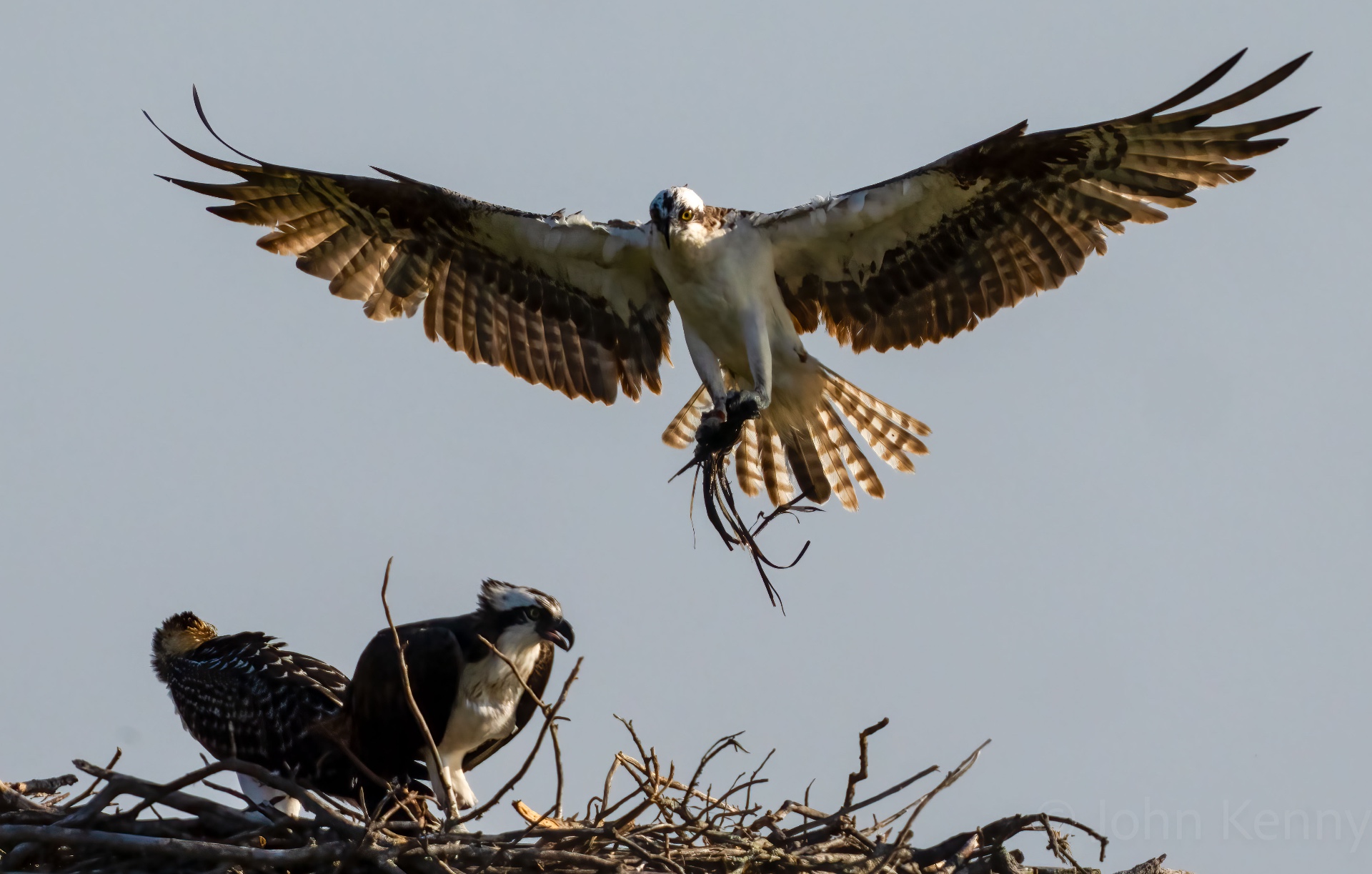
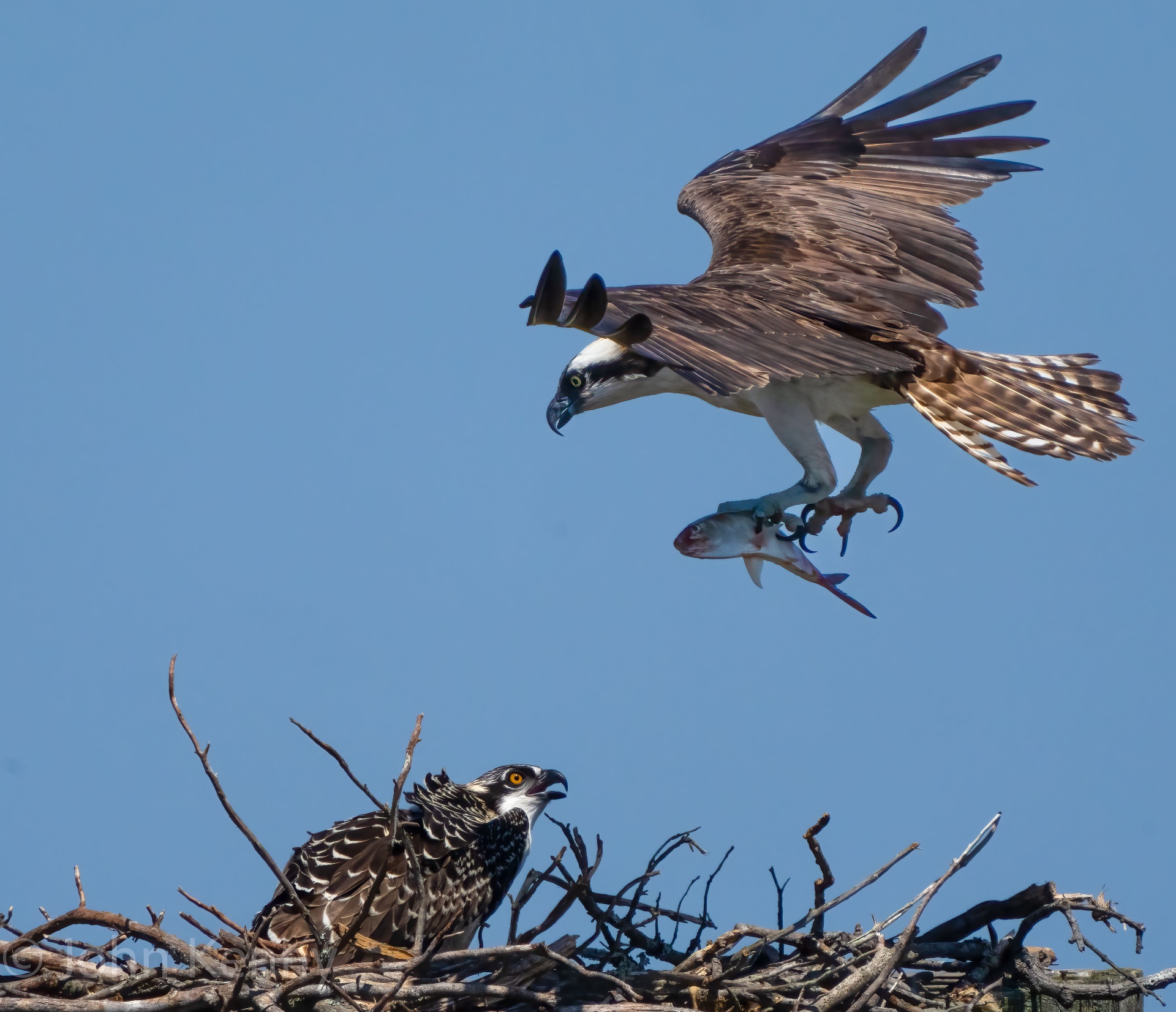
Use these real osprey photos — or any of the others in the Osprey Gallery section — in your classroom to spark discussion about bird behavior, anatomy, and migration.
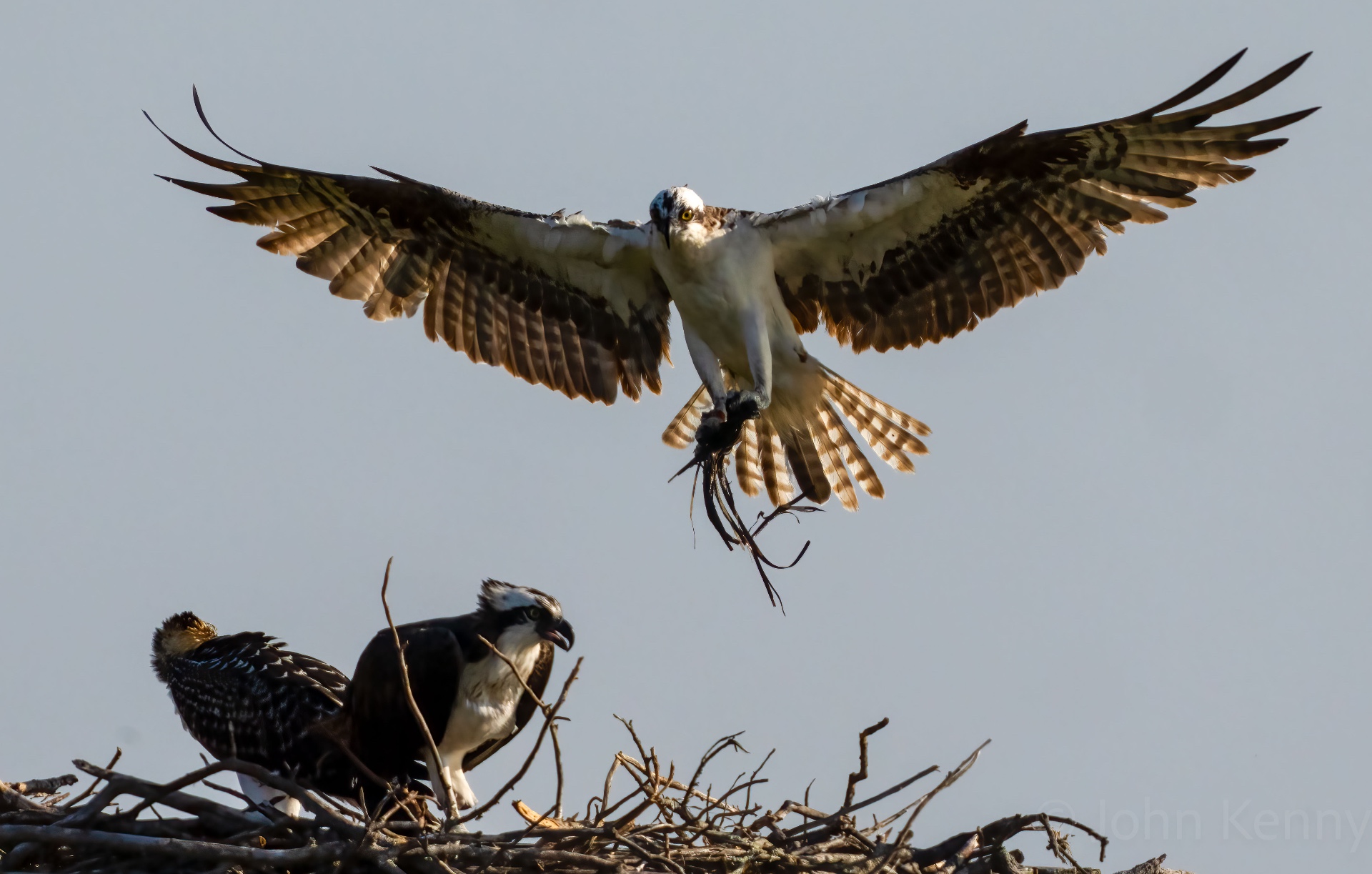
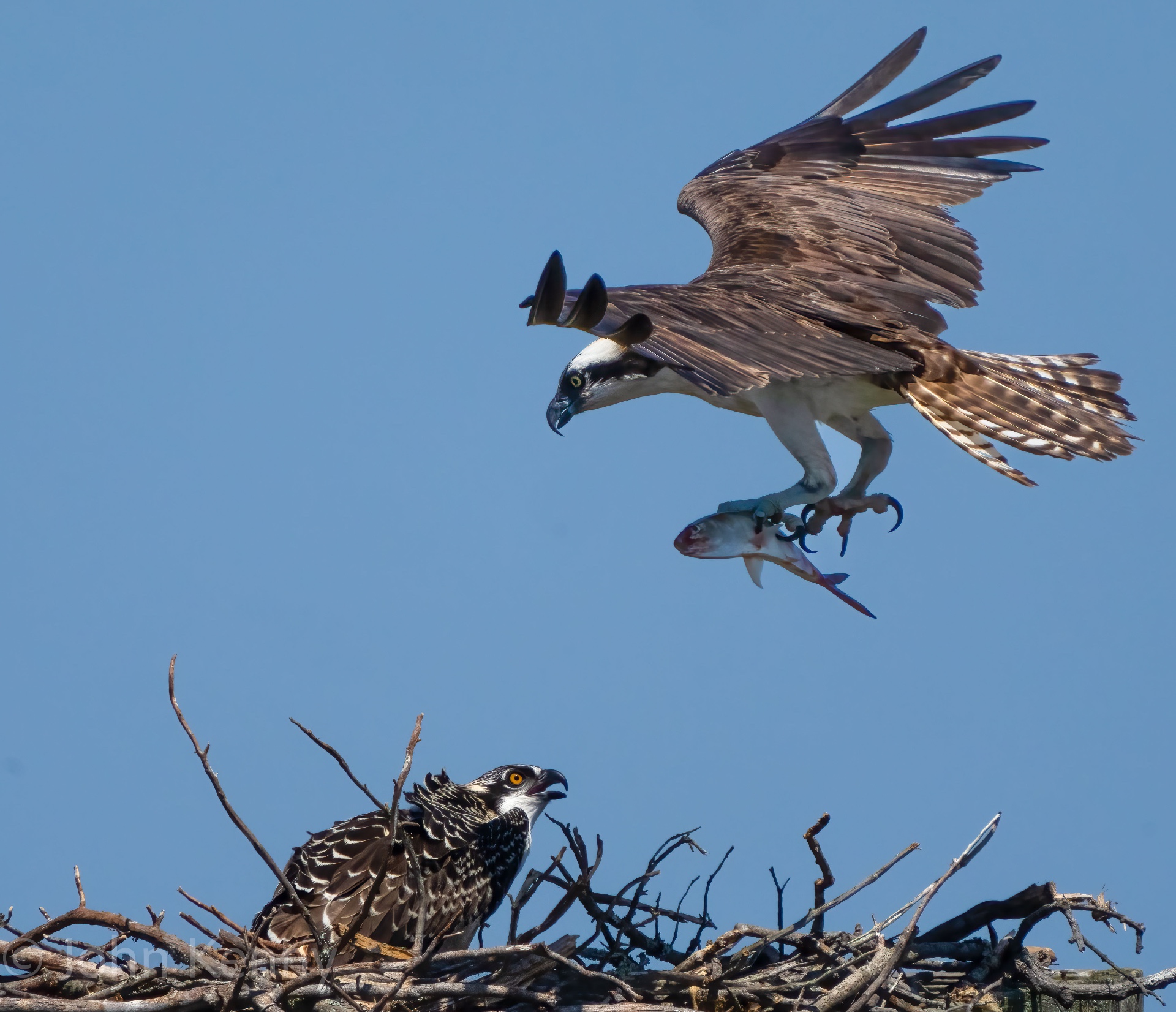
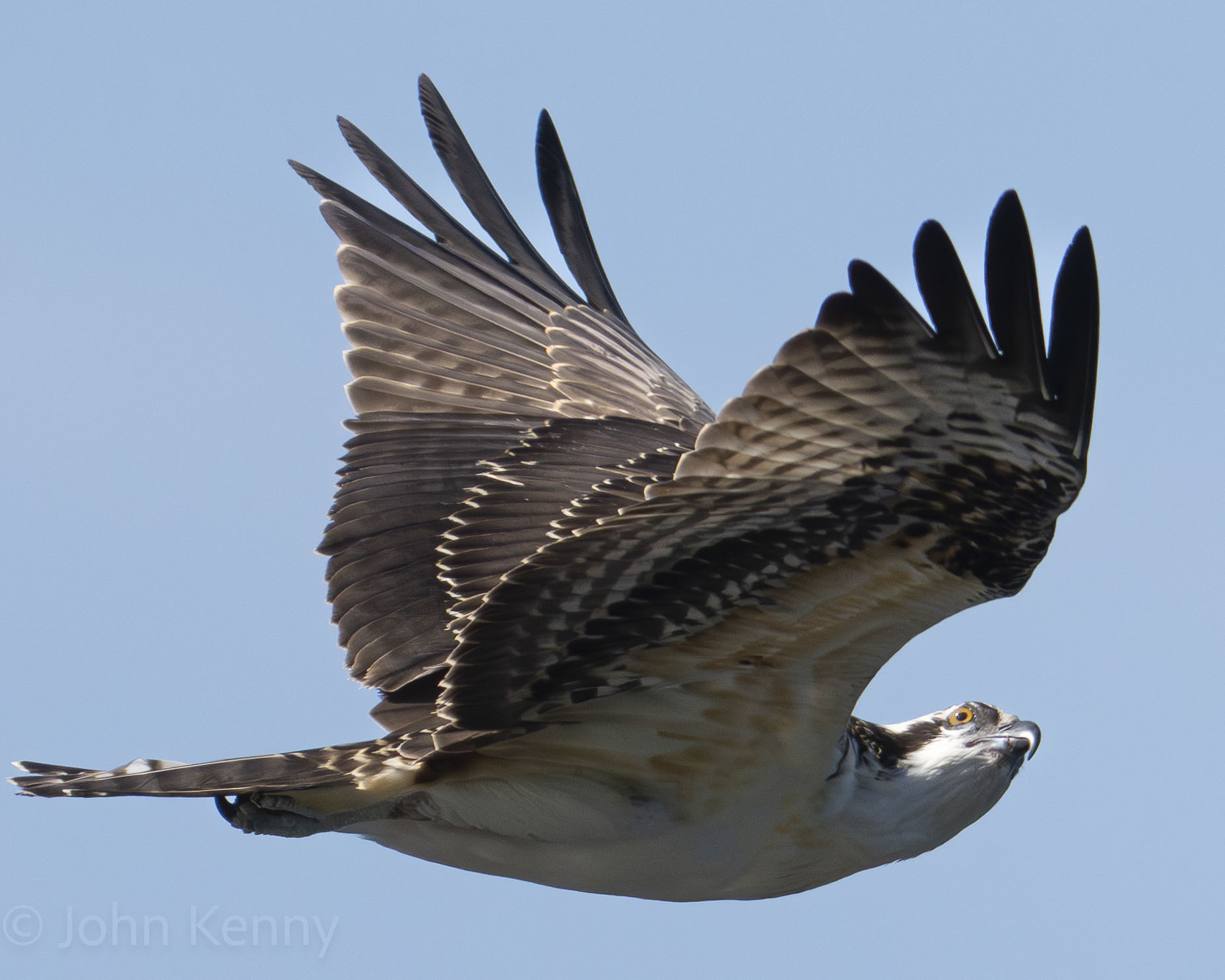
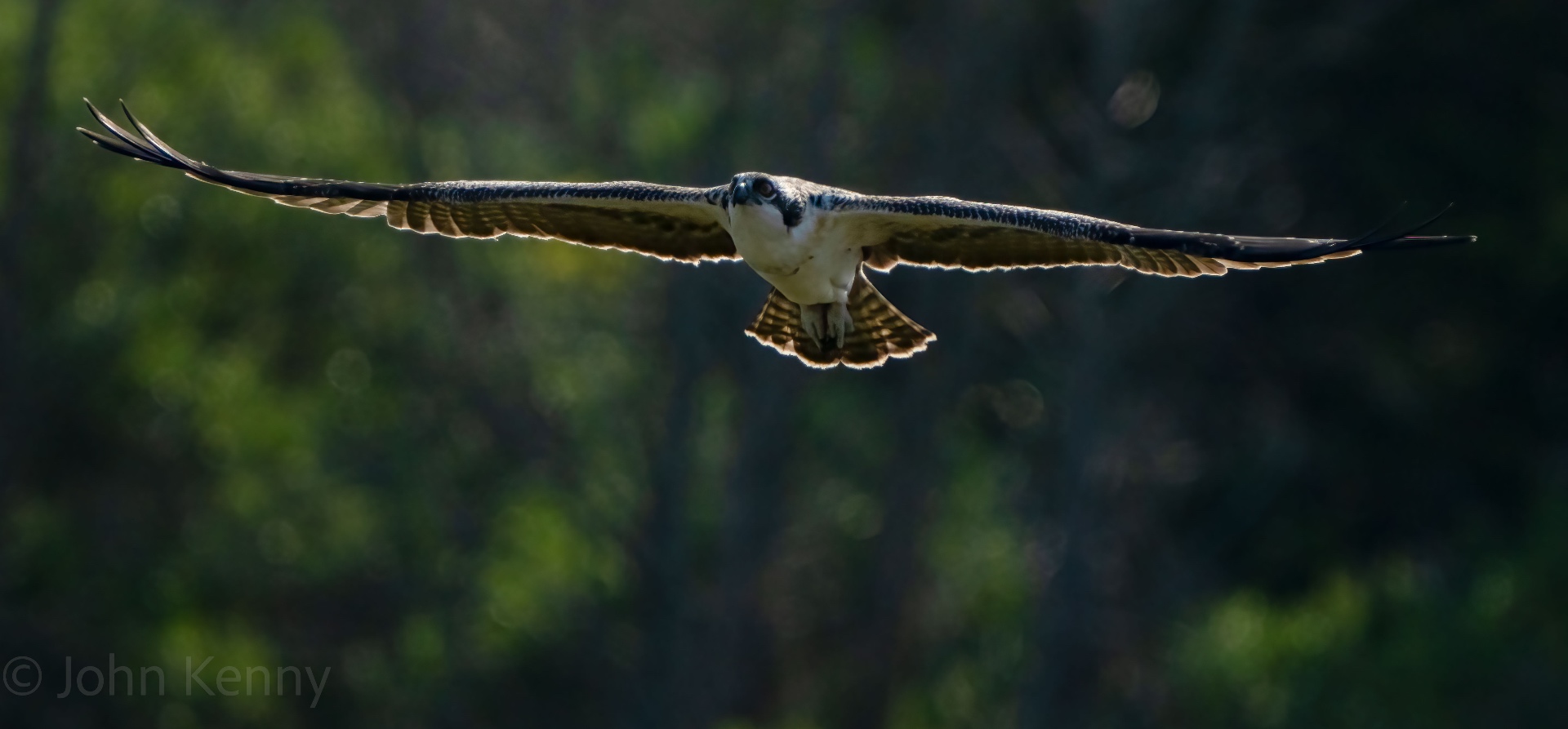
Above photos by John Kenny
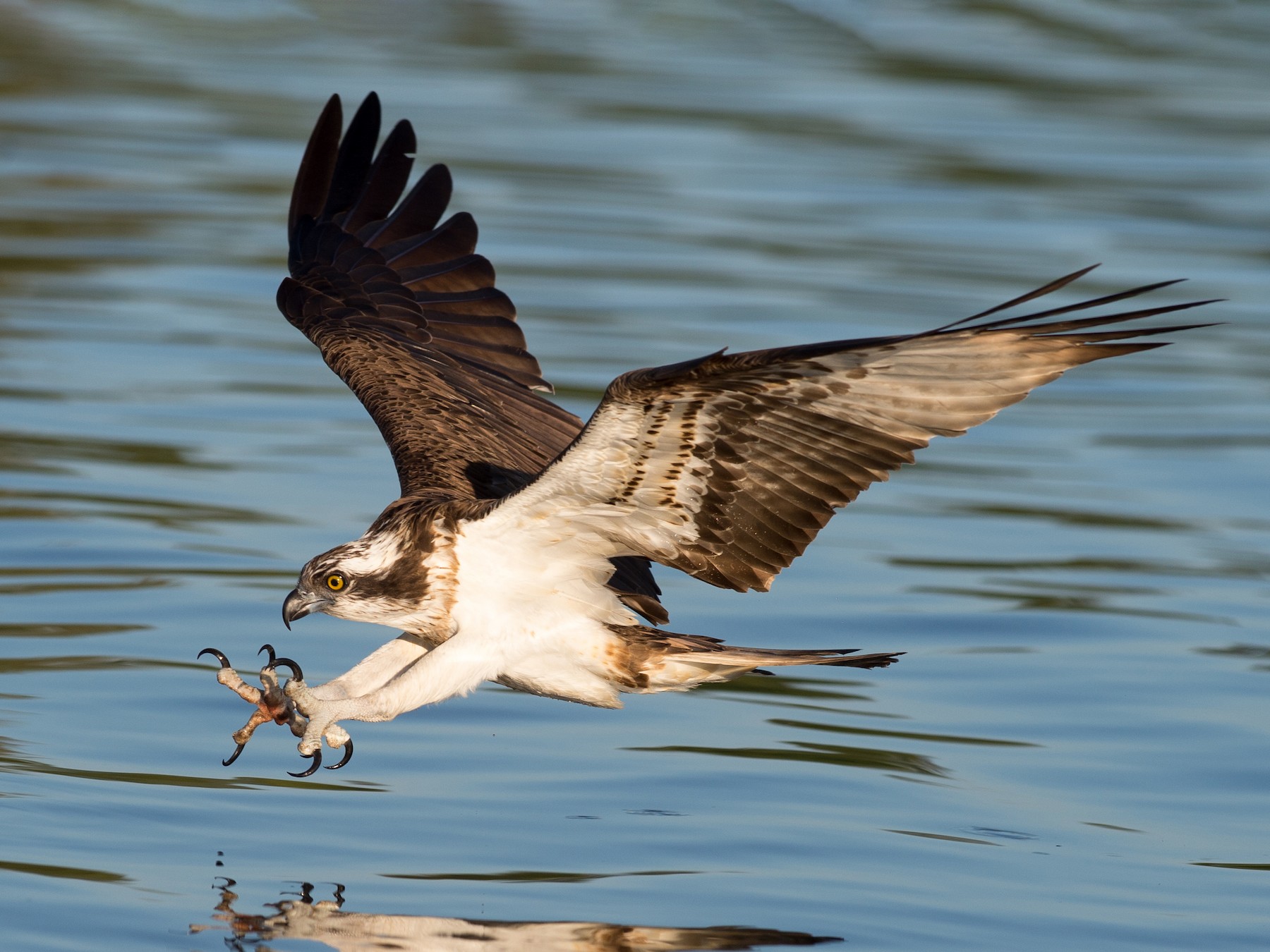
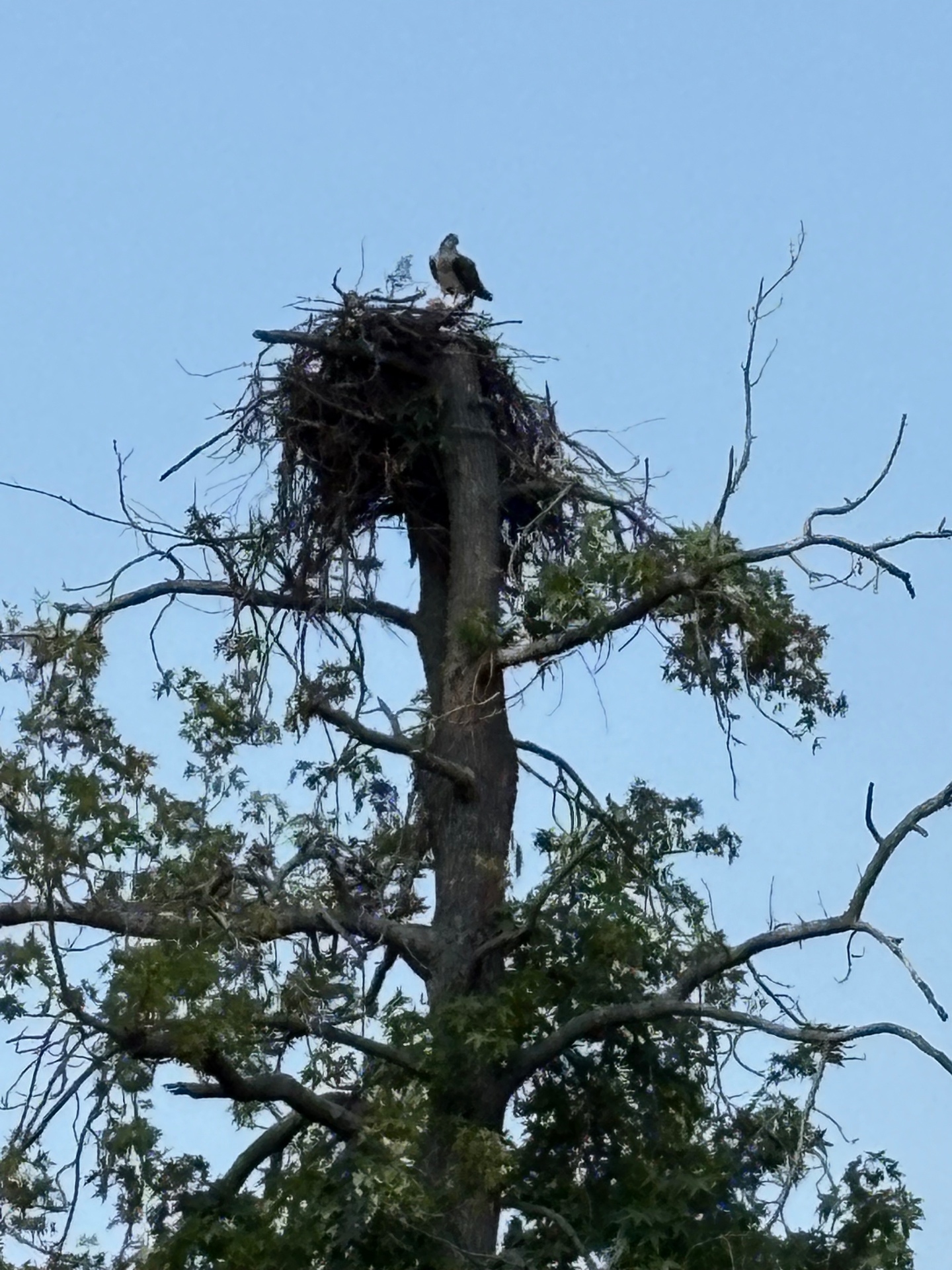
Activity: "Dress Hendrix for Winter"
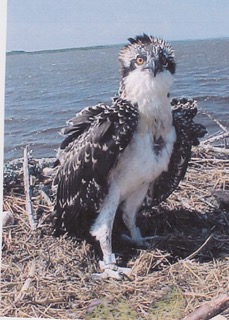
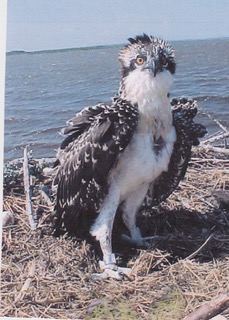
Print the photo of the young osprey and have students draw a winter hat, gloves, and scarf on it. This demonstrates that ospreys can't put on warm clothes like humans — that's why they must migrate south when the days grow shorter and colder!
Download & Print PhotoOsprey Fun Facts
What is the average size of an osprey family?
Mom, Dad, and usually 2–4 young
How long does it take for the eggs to hatch?
About 5 weeks
What job does the dad have?
His job is to catch the fish to feed the family
What job does the mom have?
Hint: Ospreys don't wear diapers! The mom gathers new sticks to create a fresh layer in the bottom of the nest because it can get yucky
Activity 1: How to Build an Osprey Nest
Students build a model osprey nest using sticks and classroom-safe materials (3–6 feet wide!), learning about nesting habits, teamwork, and ecology. Includes step-by-step instructions, safety notes, and discussion questions.
Activity 2: How to Build an Osprey Wingspan Model
Students measure, construct, and compare an osprey's ~6-foot wingspan to their own arm span using wire hangers and feathers. Connects math measurement skills to biology.
Activity 3: Osprey Migration Geography Activity
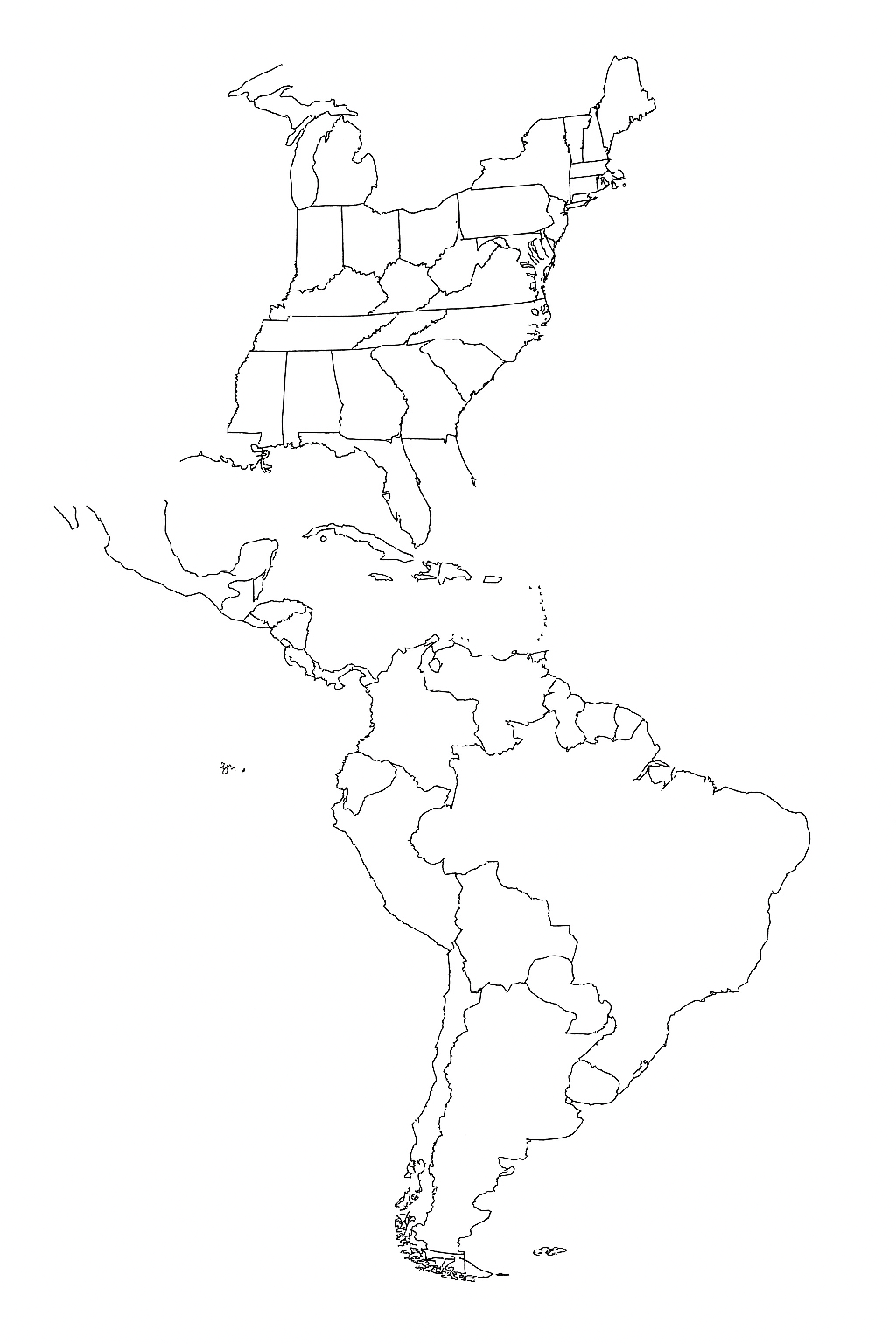
Students map the osprey migration journey from the East Coast to South America. They label U.S. states and South American countries, trace the migration route, and mark landmarks like the Chesapeake Bay and Caribbean Sea. Includes student worksheet, answer key, and teacher guide.
Skills: Map skills, spatial reasoning, geography, understanding how coastlines support migration
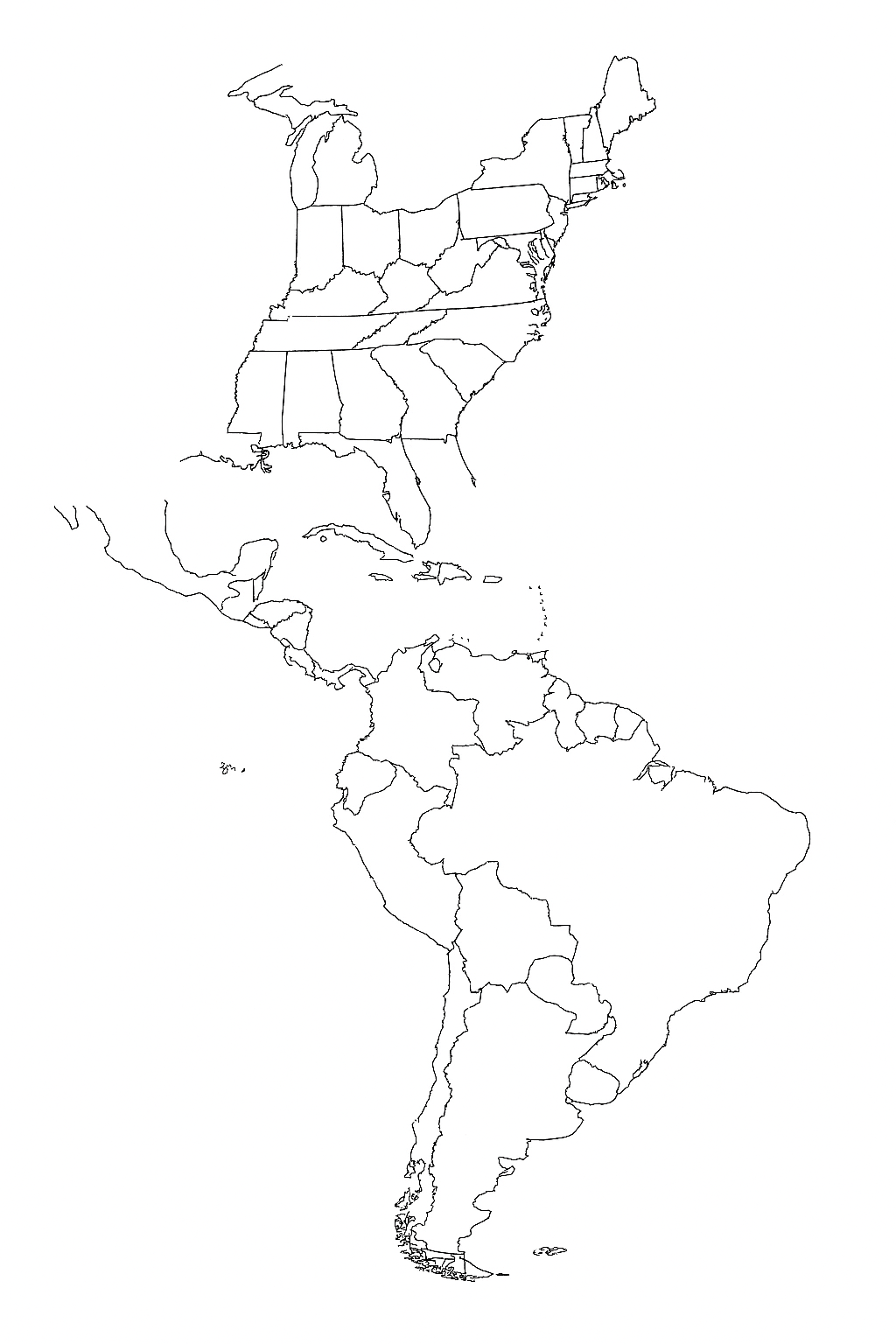
🪶 Fly South: The Osprey Migration Game
An interactive classroom game where student groups guide an osprey on a 4,000-mile migration from Long Island Sound to Iguazu Falls, Argentina. Students make critical decisions at each leg of the journey, learning real osprey science along the way.
Skills: Decision-making, collaboration, geography, animal behavior, critical thinking
Science Lesson Topics
Raptors & Osprey Biology▾
- Osprey anatomy, physical adaptations (reversible outer toe, fish-gripping talons)
- Diet and hunting strategies
- Nesting habits and breeding season
- Osprey life cycle from egg to migration
Bird Migration▾
- How and why birds migrate
- Migration routes: osprey flyways across North America
- Navigation — how ospreys find their way
- Climate change and shifting migration patterns
Climate Change & Its Impact on Ospreys▾
- How rising ocean temperatures fuel more powerful hurricanes
- How intensified storms threaten coastal osprey nests
- Sea level rise and loss of nesting habitat
- What students and communities can do to protect osprey populations
The Osprey Success Story — A Message of Hope▾
- In 1975 there were 1,500 active osprey nests on the Chesapeake; by 2010 there were 9,000
- Rachel Carson's Silent Spring and the ban on DDT helped osprey populations recover
- Legislation and environmentalists working together saved these birds
- Kids can hear a message of hope: nature bounces back when we take care of it
Geography Connections▾
- Mapping osprey migration routes on physical maps
- Identifying coastal ecosystems and wetlands
- Understanding latitude, climate zones, and migration timing
Additional Discussion Topics & Literacy Tools
Discussion Topics
- Sibling rivalry: How do Hendrix and Ryder's differences create conflict? How do they learn to work together?
- Bullying and being shunned for being different: How do Hendrix and Ryder respond? What would you do?
- Getting along with friends: What does it take to maintain a friendship when you see things differently?
Literacy Tools
- Soar Vocabulary List (with definitions and context sentences)
- Text evidence practice worksheets ("Prove it from the text")
- Story mapping graphic organizer (plot, character, setting, conflict, resolution)
- Cause and effect chains — Hendrix's journey and Ryder's journey
- Compare and contrast: Hendrix vs. Ryder — how are their challenges the same? Different?
How to Use Soar in Your Classroom
As a Bedtime Read-Aloud at Home
- Each chapter ends with just enough tension to make your child beg for one more — perfect for a nightly reading ritual
- Ideal first chapter book for young readers aged 7–10 making the leap from picture books
- Parents report finishing the book themselves in a single sitting — it works for all ages
As a Book Club Text
- 4–6 week structure with guided reading sessions, discussion days, and science exploration stations
- Download the Book Club Leader Guide for a ready-made session plan
As a Literacy Block Anchor Text
- Use the Literacy Block Integration Guide to weave Soar into your existing reading curriculum
- Pair with nonfiction texts about ospreys, migration, and climate change
As a Science Unit Companion
- Osprey biology, migration, climate change — all woven into the story
- Hands-on activities: build a nest, measure a wingspan, map a migration route
As a Morning Meeting Read-Aloud
- Short chapters work perfectly for 10–15 minute morning sessions
- Built-in SEL themes spark organic discussion about resilience, empathy, and identity
As a Cross-Curricular Anchor
- Use the Cross-Curricular Planning Map to connect Soar across subjects
- Science, ELA, art, social studies, and SEL — all from one book
Invite the Author to Your Classroom
Letitia is available to visit schools where the students have read Soar to discuss her inspiration for writing the story, the back stories on the characters and what she changed in the story when she received feedback on an early draft of the story from students the same age that they are.
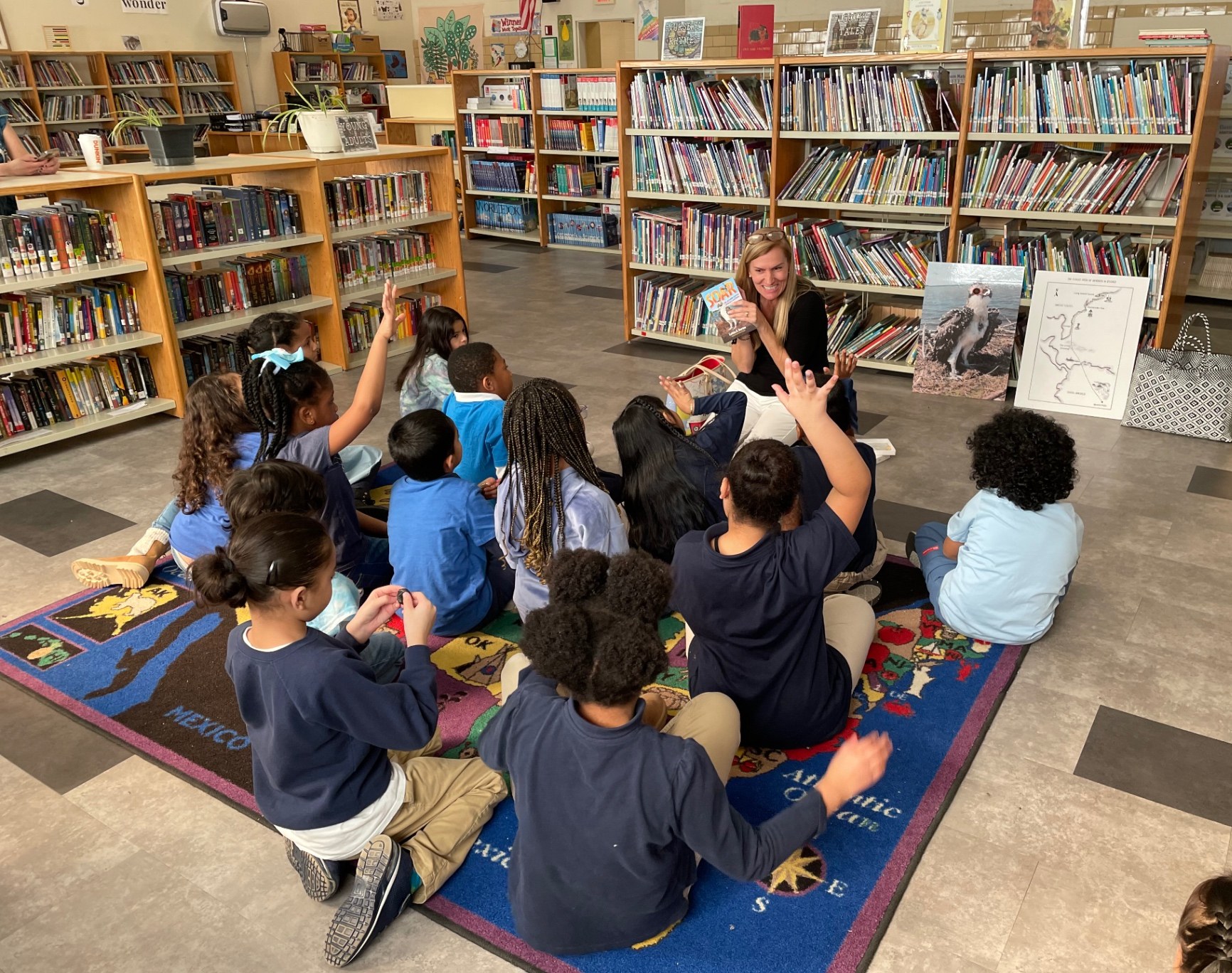
Extend the Learning Beyond the Classroom
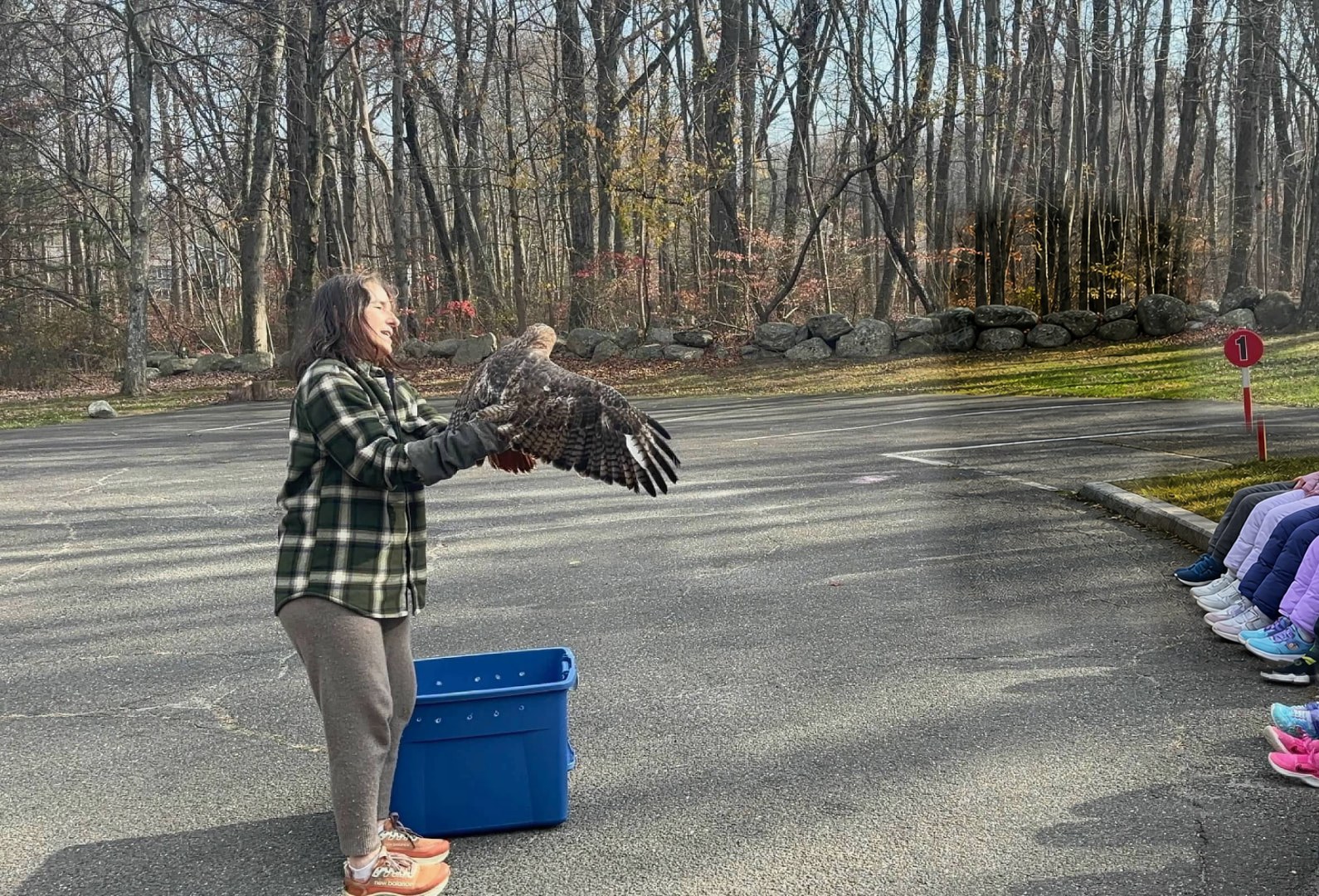
Bring a live release to your school
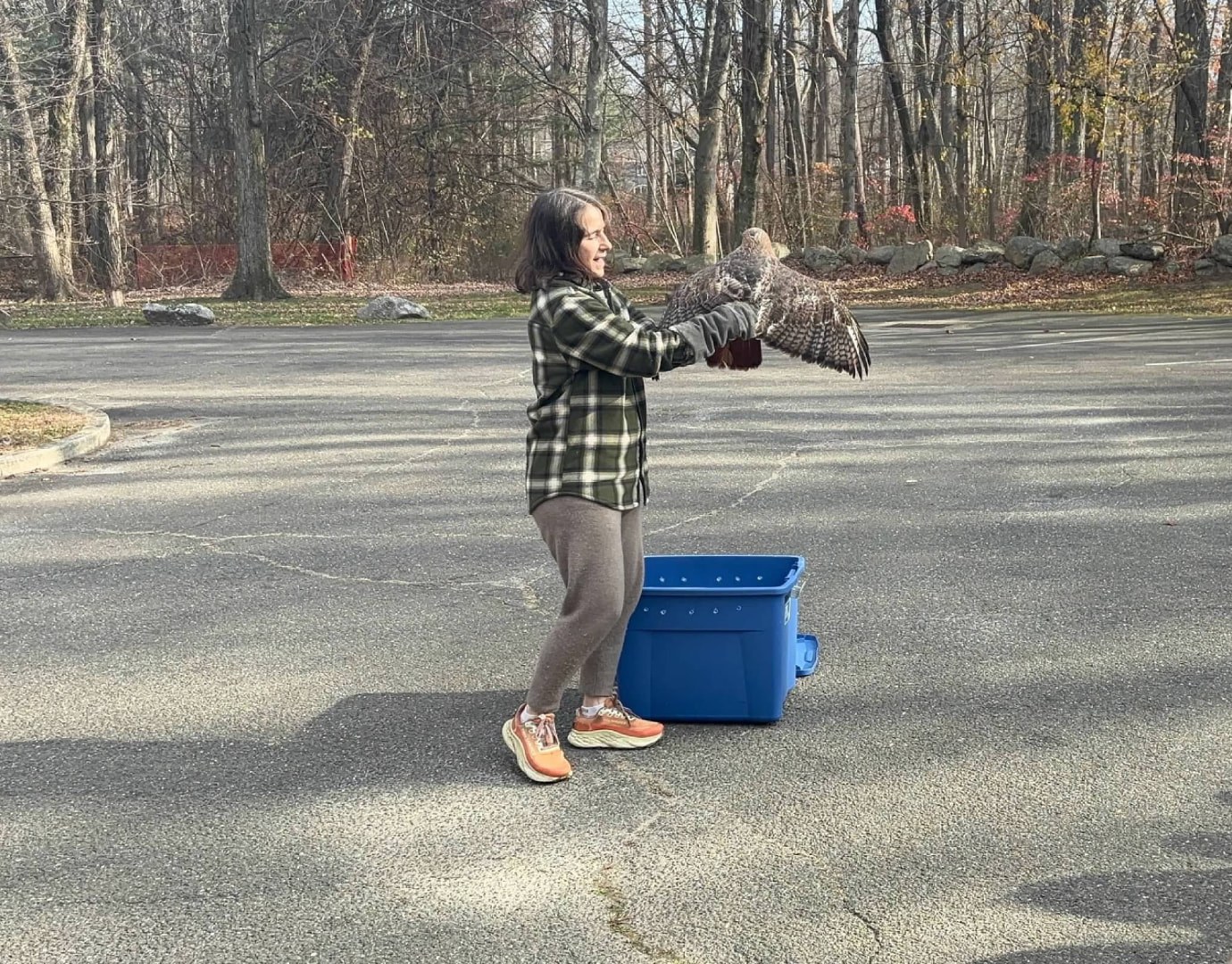
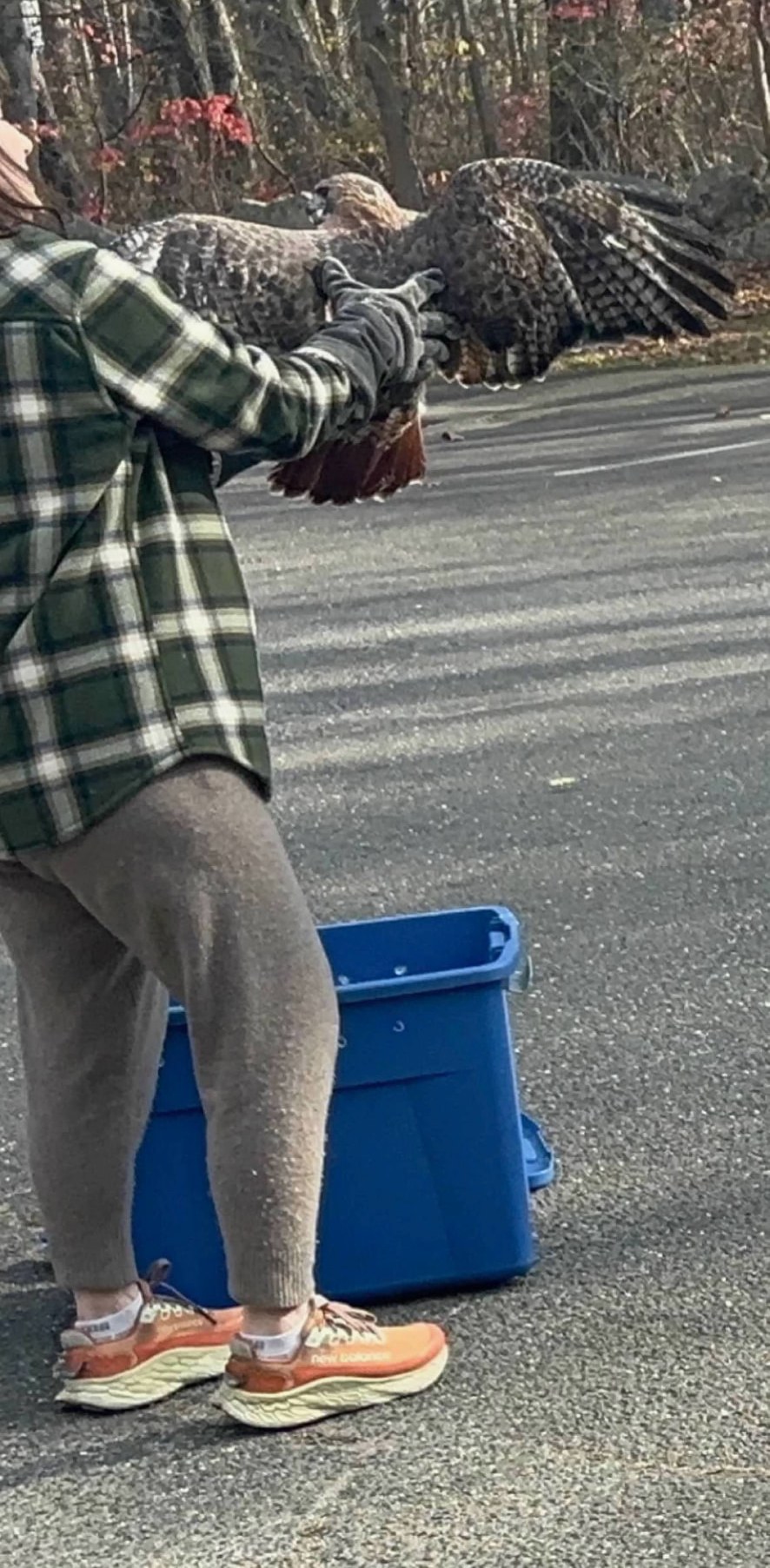
Follow the lead of one innovative teacher from Wilton, Connecticut: contact your local Audubon chapter or bird rehabilitation center and ask whether they are caring for any injured birds that they will one day set free back into the wild.
At the school pictured below, a local bird rehabilitation center brought over a hawk who had been injured and was now ready to be set free. The students got to watch his first flight — just like Ryder's first flight after his wing was mended.
How to Arrange It
- Reach out to your local Audubon chapter or bird rehabilitation center and ask whether any injured birds in their care are being prepared for release
- Ask whether the center can bring the bird to your school, or whether your class can visit them
Before and After the Flight
- Connect the moment back to Ryder's first flight after his wing was mended — consistently, one of students' favorite moments in the story
- Students write or draw what they saw, then compare it with their predictions
Invite a conservation speaker
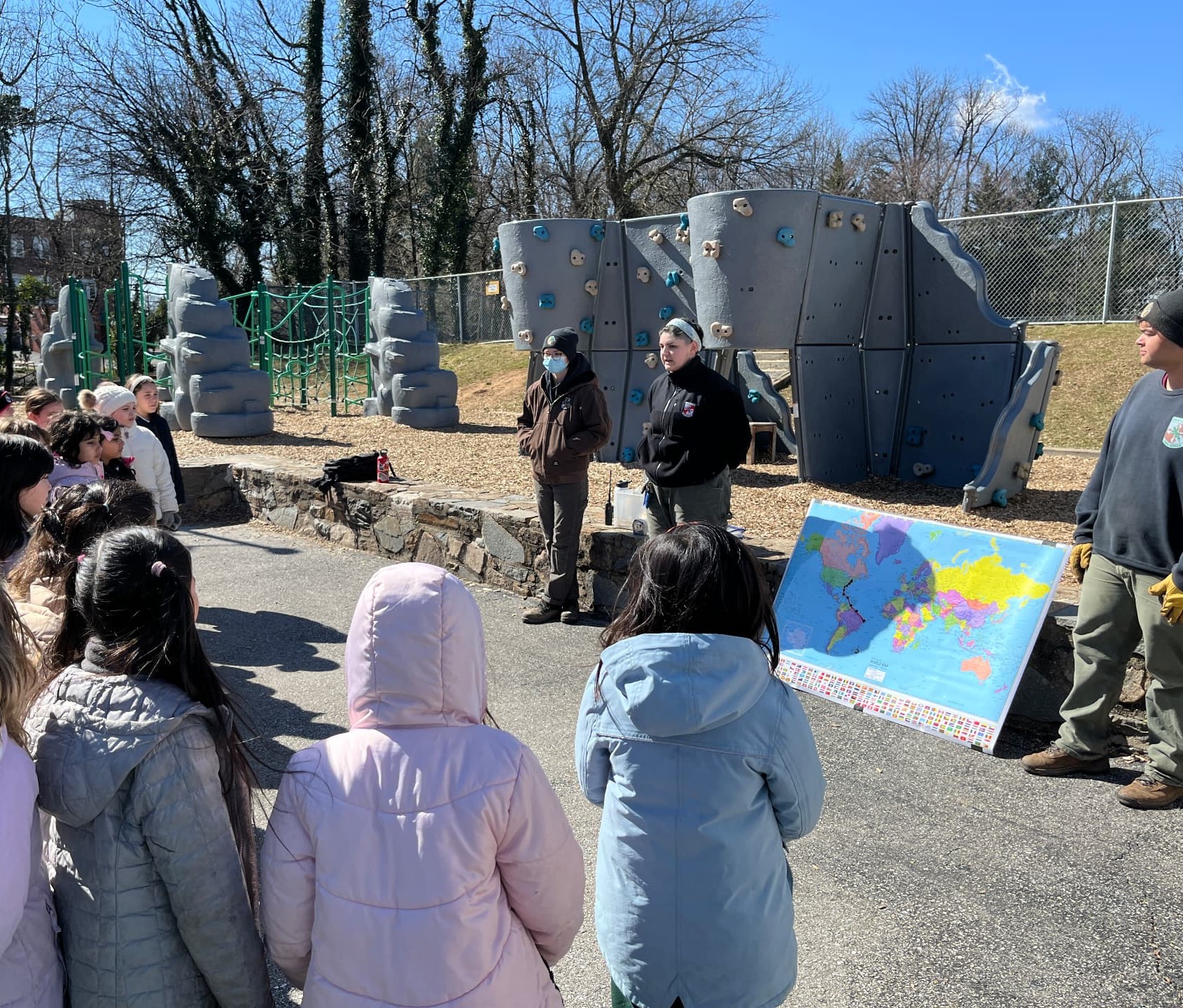
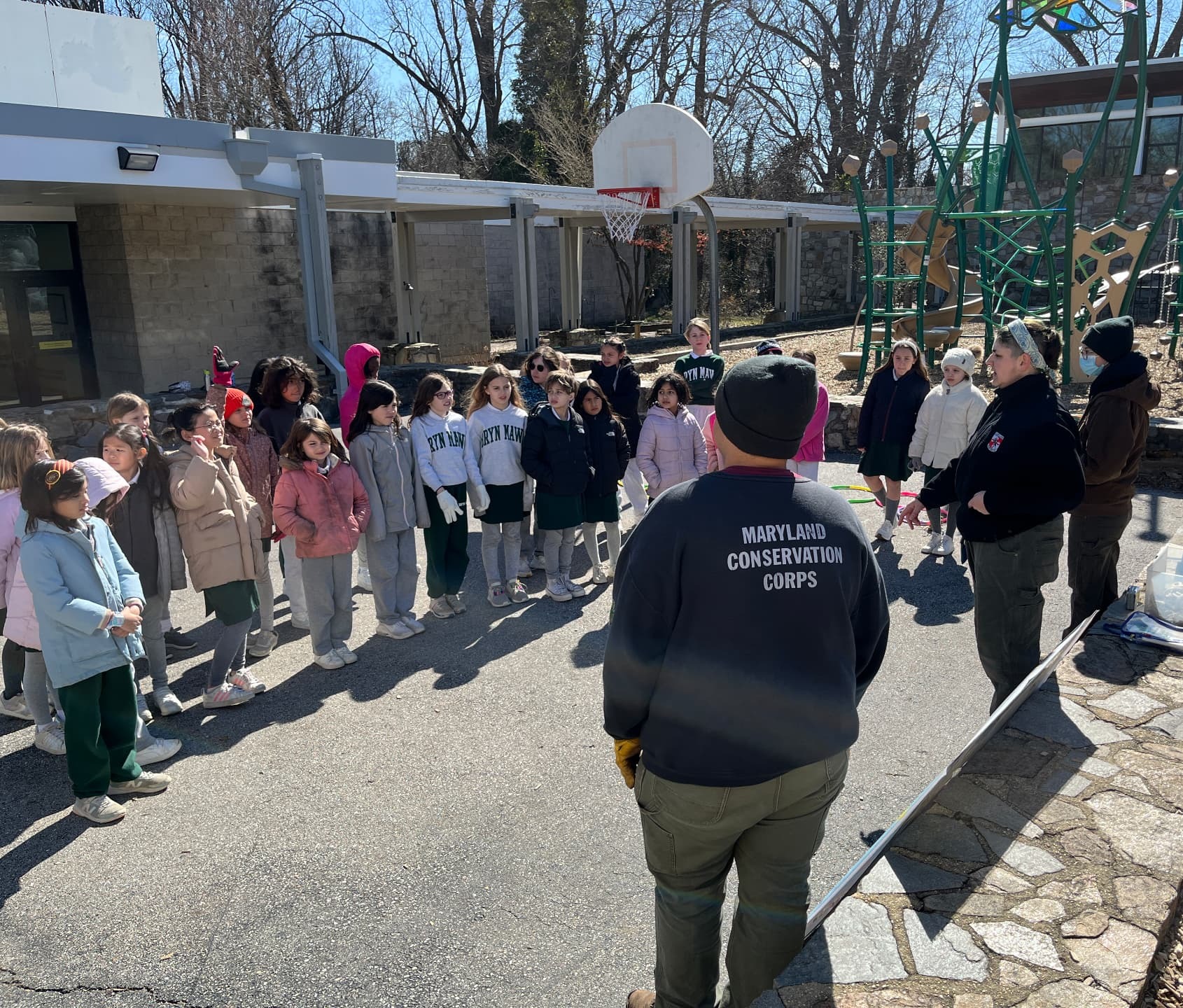
Or follow the lead of Christine Roberts, Lower School Librarian at the Bryn Mawr School, and invite your state-wide Department of Conservation to come speak about the conservation of ospreys and other hawks in your area.